Courtesy of De Mello Palheta.
The best latte I’ve had anywhere.
—Peter.

↑Leica M9 (CCD Lives! – Prosophos Open Letter to Leica) + Leica 35mm Summilux ASPH FLE.

Courtesy of De Mello Palheta.
The best latte I’ve had anywhere.
—Peter.
↑Leica M9 (CCD Lives! – Prosophos Open Letter to Leica) + Leica 35mm Summilux ASPH FLE.

↑Leica M9 (CCD Lives! – Prosophos Open Letter to Leica) + Leica 35mm Summilux ASPH FLE.


🙂
—
After experimenting with the Nikon D810 (and other cameras) for more than seven months, I continue to prefer the Leica M9/M-E for image quality, at base ISO.
It is clear to me that the D810 has the better performing sensor by all objective metrics and has more malleable files, but somehow the M9 images look better.
(The runner up camera is once again the Leica M8.)
But, am I being premature with my selection? What will the second half of 2016 bring?
Leica may finally improve on the disappointing M240 with the release of a new M in the fall, but realistically most of us won’t be able to get a hold of it until 2017.
Either way, don’t expect it to be a CCD camera like many of us have asked for in My Open a Letter to Leica.
I’ll be interested in it anyway, if the image quality is better than the M240.
—Peter.
–
—
2015: Leica M9/M-E
2014: Leica M9/M-E
2013: Leica M9/M-E
2012: Leica M9/M-E
2011: Leica M9
2010: Leica M9
2009: Leica M9
2008: Leica M8/Nikon D3
2007: Leica M8/Nikon D3
2006: Leica M8
The dividing line (and timing) of an out.
On a technical note, whereas I would have machine-gun-photographed with the D810 at 5 FPS to try to get this shot (and would have had a 50-50 chance), I was able to get the “decisive moment” with the M8 on a single click of the shutter.
—Peter.

↑Leica M8 (CCD Lives! – Prosophos Open Letter to Leica) + Leica 50mm Summilux ASPH.
At this year’s Fun Fair.
(Here is a similar image taken two years ago with the Mamiya 7II/80mm + Kodak Portra 400 combination).

↑Nikon D810 + Sigma 35mm Art.
(the reaction: here)

↑Leica M9 (CCD Lives! – Prosophos Open Letter to Leica) + Leica 35mm Summilux ASPH FLE.

↑Leica M9 (CCD Lives! – Prosophos Open Letter to Leica) + Leica 35mm Summilux ASPH FLE.
(Not a scientific comparison between images taken at two different times under different conditions — but this reflects “actual use” conditions for me.)
(See related: Nikon D810 vs. Leica M240 in “real life” use.)
–
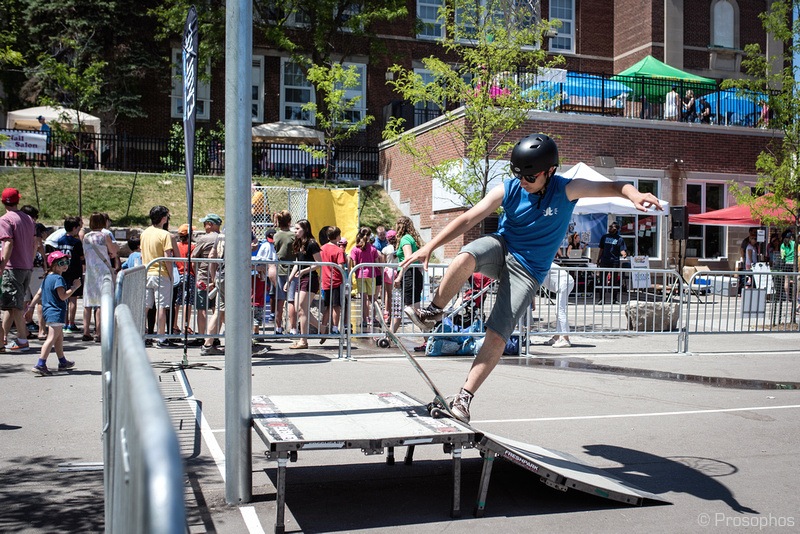
I photographed my kids’ school Fun Fair yesterday.
Here is an image from the event, taken with the D810 + Sigma 35mm 1.4 Art @ f/4:
–
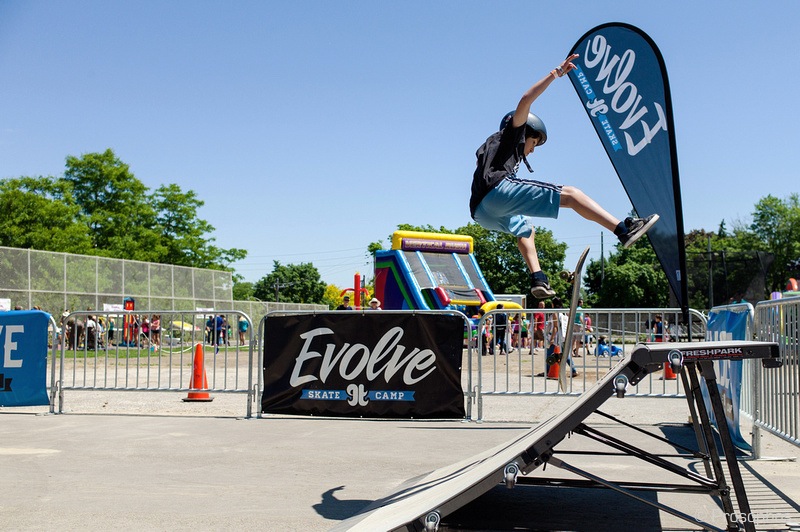
Here is an image from last year (2015), taken with the Leica M9 + Leica 35mm Summilux ASPH FLE @ f/4:
–
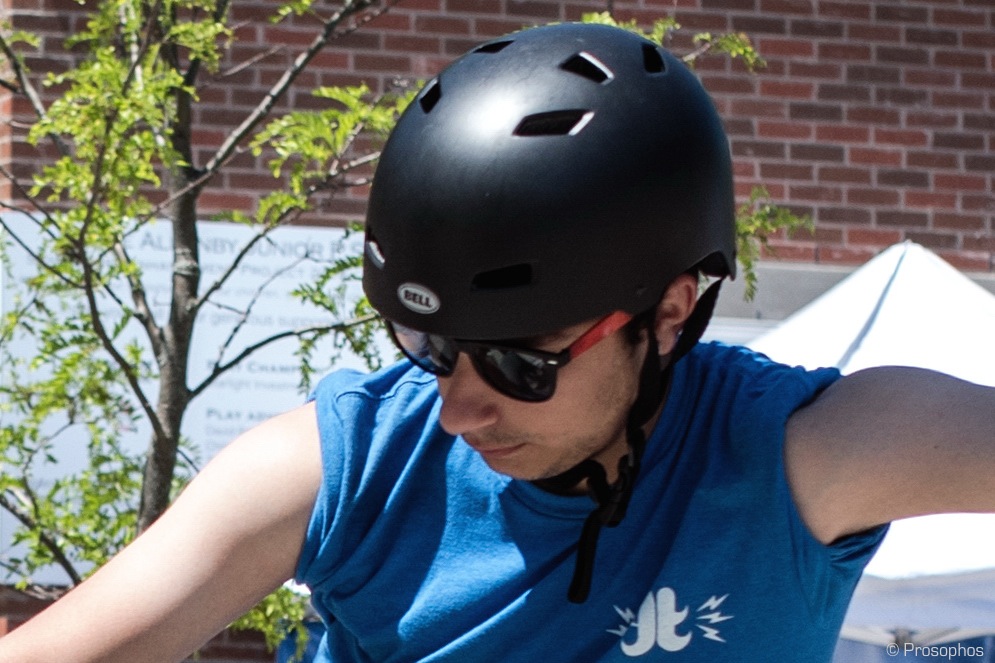
… And here are the magnified views.
First, the D810 + Sigma 35mm f/1.4 Art @ f/4 (magnified):
–
Next, the Leica M9 + Leica 35mm Summilux ASPH FLE @ f/4 (magnified):

–
My conclusions:
The D810 + Sigma 35 Art made it easier to photograph the event, the M9 + Leica 35 FLE produced more pleasing image quality (in “actual use” conditions).
In all fairness to the D810 + Sigma 35 Art, when the conditions are right and the focus is nailed, this combination leaves very little to be desired: Nikon D810 + Sigma 35 Art in optimal conditions.
—Peter.

↑Nikon D810 + Nikon 300mm f/4E PF ED VR.
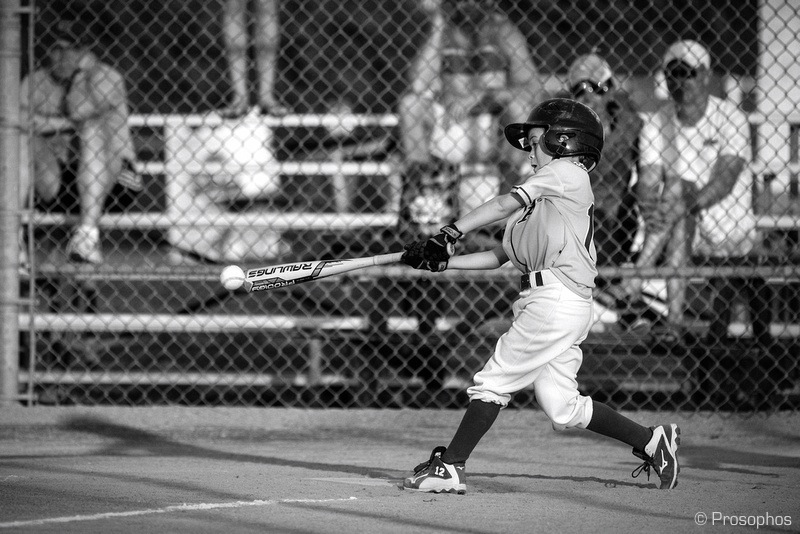
↑Nikon D810 + Nikon 300mm f/4E PF ED VR.
The Angel and the Hell-raiser.
—Peter.
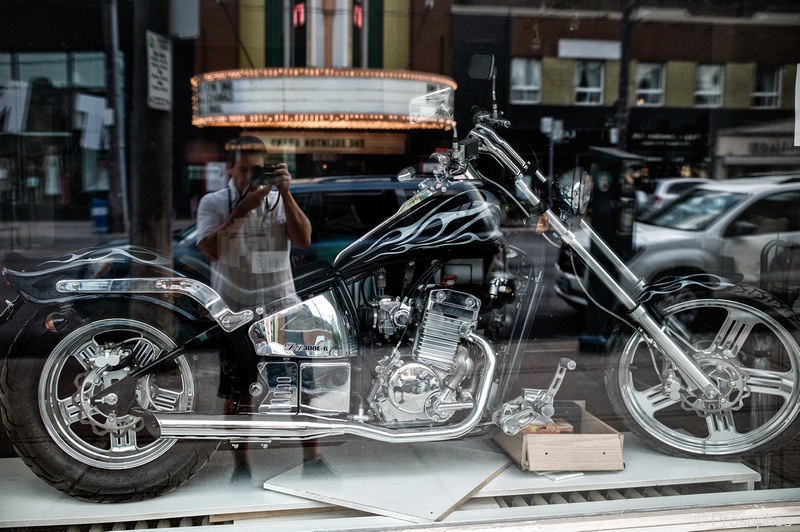
↑Leica M9 (CCD Lives! – Prosophos Open Letter to Leica) + Leica 35mm Summilux ASPH FLE.
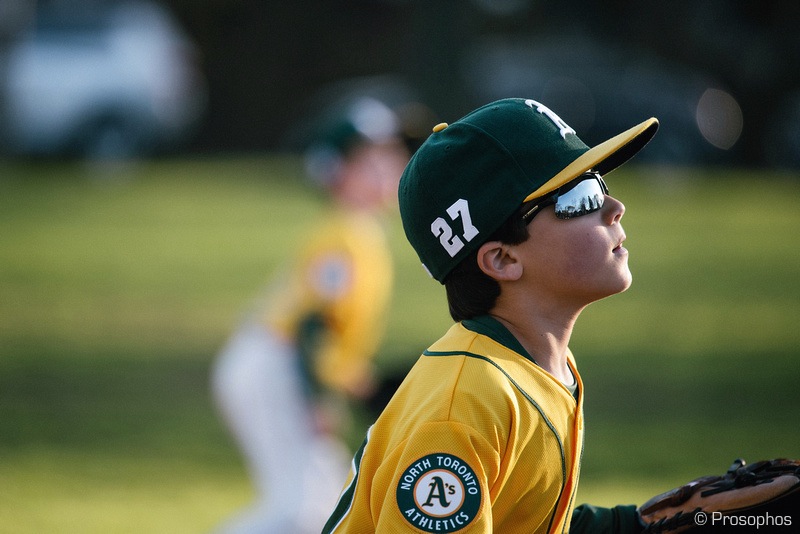
↑Nikon D810 + Nikon 300mm f/4E PF ED VR.


↑Nikon D810 + Nikon 300mm f/4E PF ED VR.
This is a comparison I did tonight for my own purposes. I’ve decided to share it with you.
This reflects my “real life” use of these camera/lens combinations, but does not represent a scientific analysis.
I repeat, this is NOT scientific.
Here are two images from the kids’ school Lip Synch competition.
The first was taken in 2015 with the Leica M240 + Leica 50mm Summilux ASPH:
(f/2.8 | 1/250 | ISO 1600).
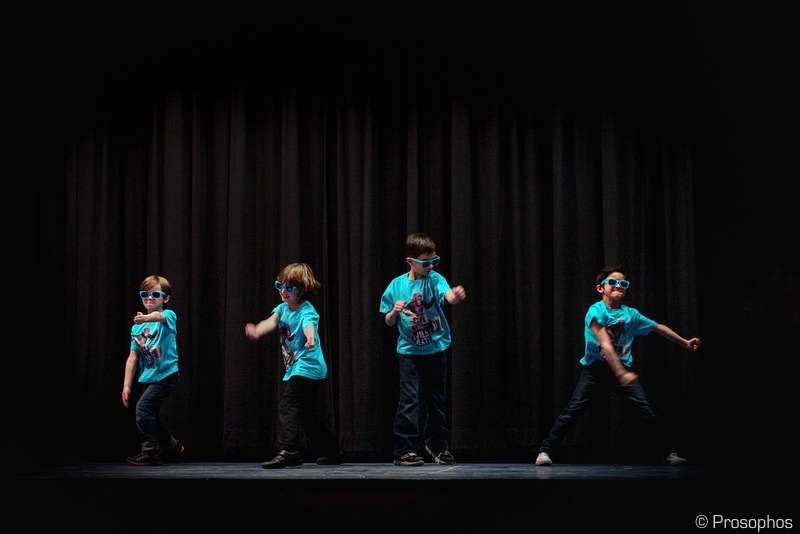
–
The second was taken in 2016 with the Nikon D810 + Sigma 50mm ART (I was sitting a little further back):
(f/2.8 | 1/250 | ISO 1000).

–
Now here are the central crops (looking at the individuals in sharpest focus from each image)…
Leica M240 + Leica 50mm Summilux ASPH (100%):

–
Nikon D810 + Sigma 50mm ART (100%):

–
The results above are consistent with other images I’ve examined.
The variables that differ between these two images are numerous. The only thing they have in common is that they represent real-life output from my use of these camera/lenses.
What do YOU think of the results?
—Peter.

↑Leica M9 (CCD Lives! – Prosophos Open Letter to Leica) + Leica 35mm Summilux ASPH FLE.
“…And I will catch the taxi driver
Weeping like a wounded beast.
Then I wake up in your room
To share one piece of your life
When tomorrow comes we may not be here at all“
—Crowded House, Whispers and Moans.
 Prosophos