What have I become
My sweetest friend?
Everyone I know goes away
In the end.
—Johnny Cash, Hurt.
–


–
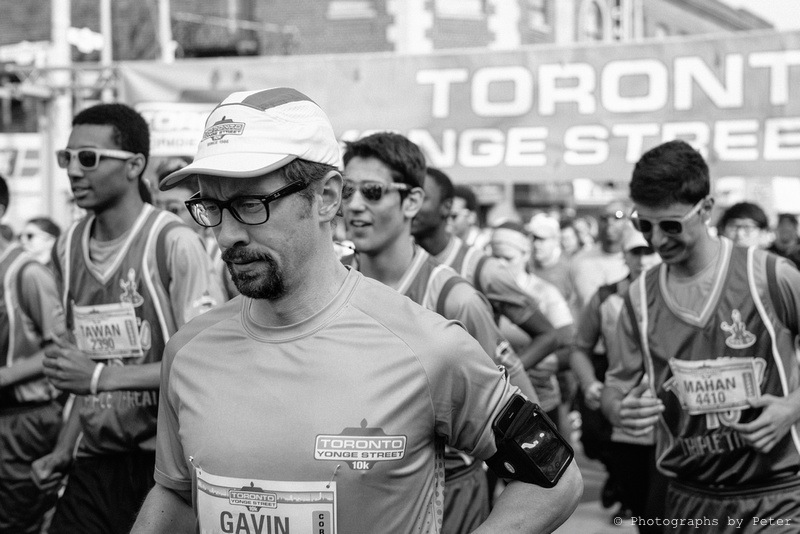



Cross-perspective cross-hairs.
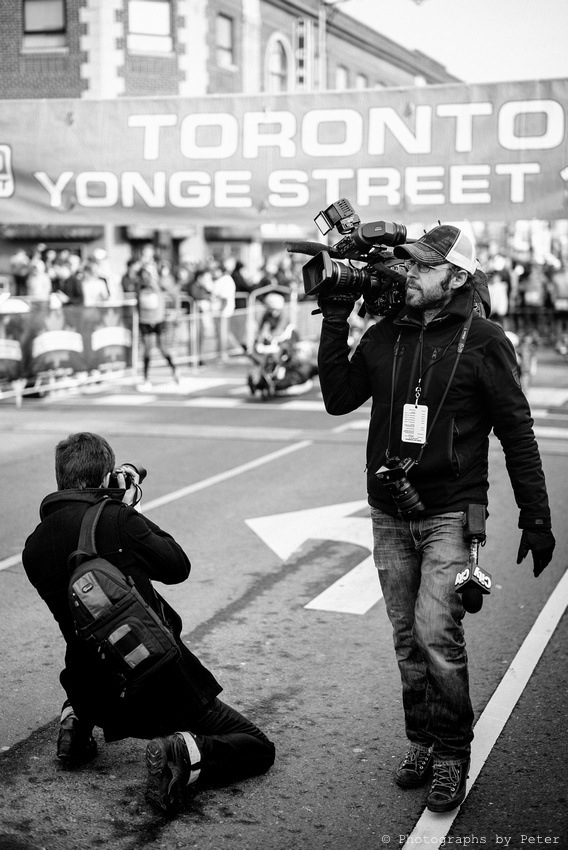

Last week’s experience with new gear made me appreciate something all over again: the joy of shooting with a rangefinder.
I’ve written about this previously, but it doesn’t hurt to be taught old lessons again.
Many people view the Leica rangefinder and its mechanical coincident focusing mechanism as antiquated. Yet, I’ve chosen this type of camera (starting with the M8) for almost 100% of my photography for the last 7 years. For me, and many others, there is no better example of an unobtrusive and high quality image-capable camera.
Recently, another camera company has been celebrated for manufacturing smaller-than-DSLR “full frame” bodies, yet it is noteworthy that Leica accomplished this back 2009 with the M9. Moreover, to this day, Leica is the only company that (mostly) understands the ergonomics of a proper camera and the importance of an optical viewfinder.
The modern Leica M camera carries forward design principles that have been retained, honed, and perfected over many decades. Quite literally, there is no competition in the current camera landscape.
On a final note…
Although I have been famously critical of a sensor decision Leica made with the M240 (though I’m learning to live with it), I have no problem giving credit where credit is due, so:
—Peter.
Spring springs eternal. And we do too.
—Peter.

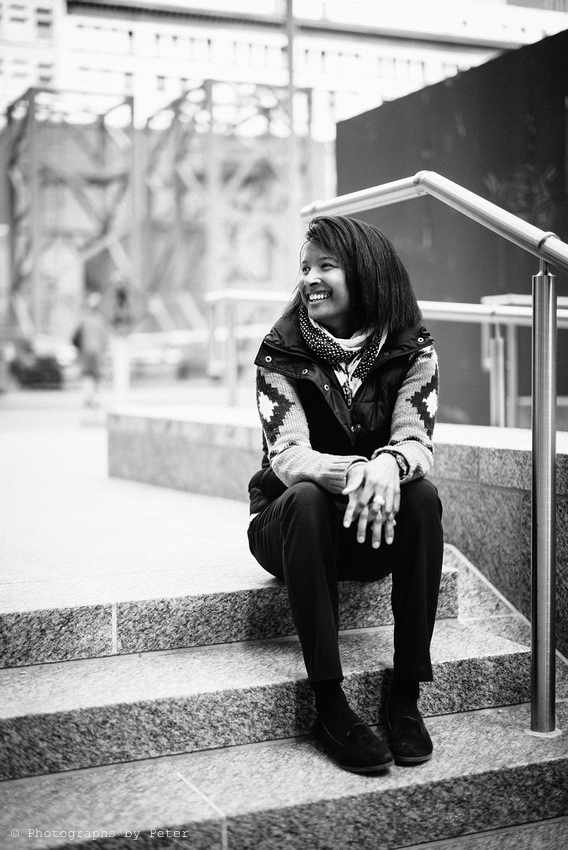
An impromptu photo shoot with M, and a Leica M testing session.
—Peter.
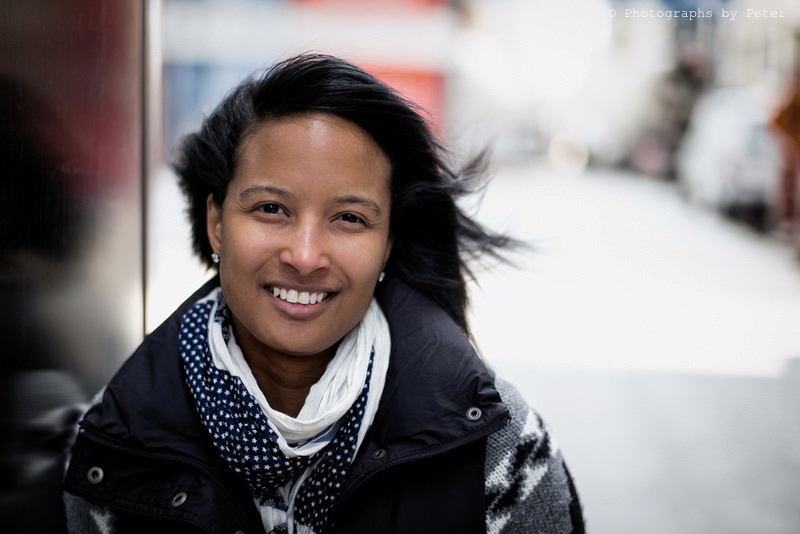
This is an image, of course, but it’s also a test shot. I’m trying to tackle and tame the shortcomings of the CMOS sensor.
My brief experience with the D800E confirmed for me that “CMOS is CMOS” when it comes to trying to pull out shadow detail (or getting micro-contrast, or getting good skin tones)… i.e., as of April 2014, it’s not as good as CCD, whether we’re talking Nikon or Leica.
Surprisingly, the D800E also made me appreciate the M240 more.
However, going forward I’m going to give the technical stuff a rest and start concentrating on photography again.
And as I go along I hopefully will be able to reduce the time it took to get this image to where I wanted it to be.
—Peter.

↑Leica M240 and Voigtländer Nokton 40mm @ f/1.4.
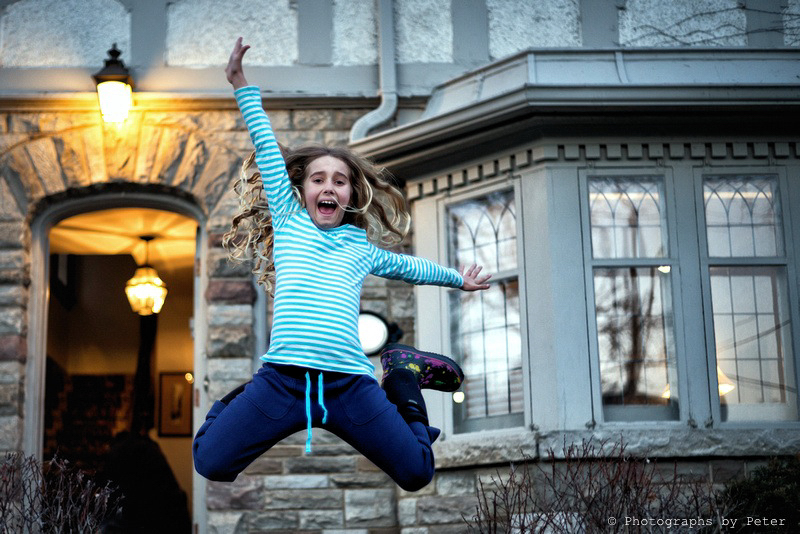
↑Leica M240 and Voigtländer Nokton 40mm @ f/1.4.
Gone.
—Peter.
The title is both figurative and literal, because I previously posted an image entitled Grains of Sand.
On the very same roll of Tri-X was this frame, taken moments earlier. I normally choose a favourite image to post, and when I developed the roll, I chose the more dynamic photograph.
Now — almost two years later — I wonder whether I prefer this more contemplative one.
—Peter.
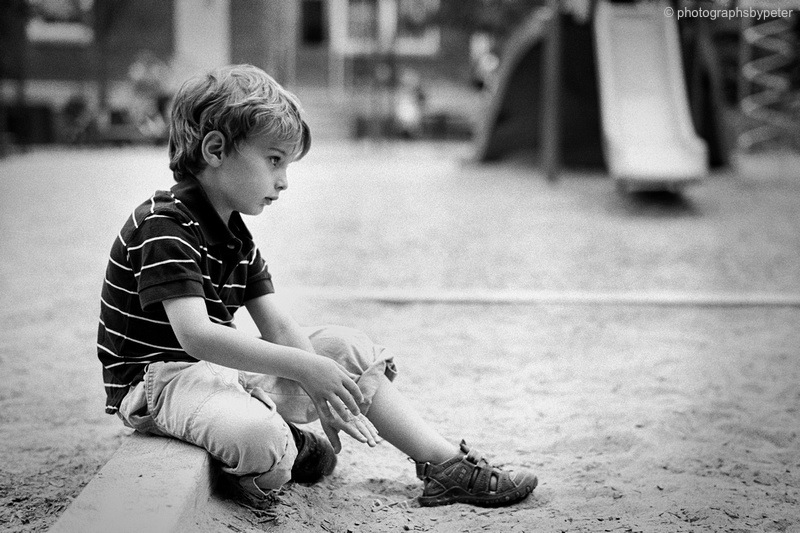
↑Leica M3, Kodak Tri-X 400, and Leica 50mm Summilux ASPH @ f/1.4.

↑Nikon D800E and Zeiss Otus 55mm @ f/1.4.
Here’s a second image, taken a little earlier from the first (and cropped).
The lighting is different, and I’ve processed it differently too.
I realize I’m comparing apples to oranges, but I’m curious on your thoughts as I work through these D800E/Otus files.
—Peter.
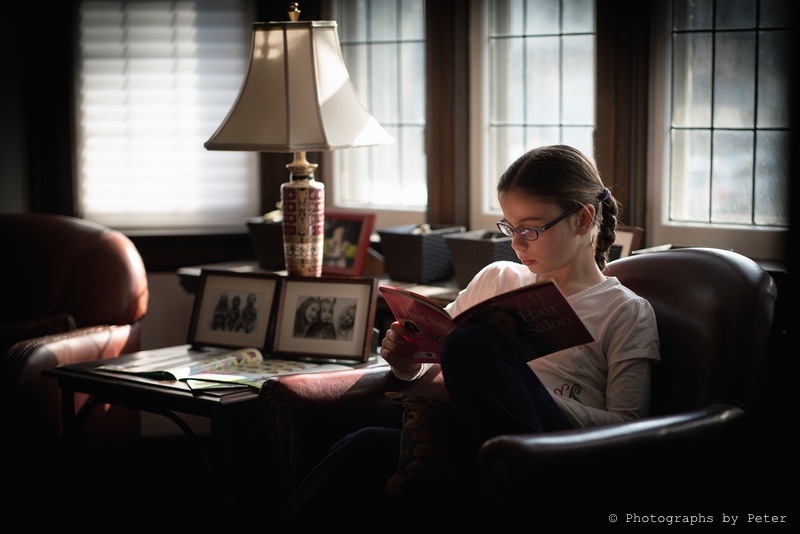
↑Nikon D800E and Zeiss Otus 55mm @ f/1.4.
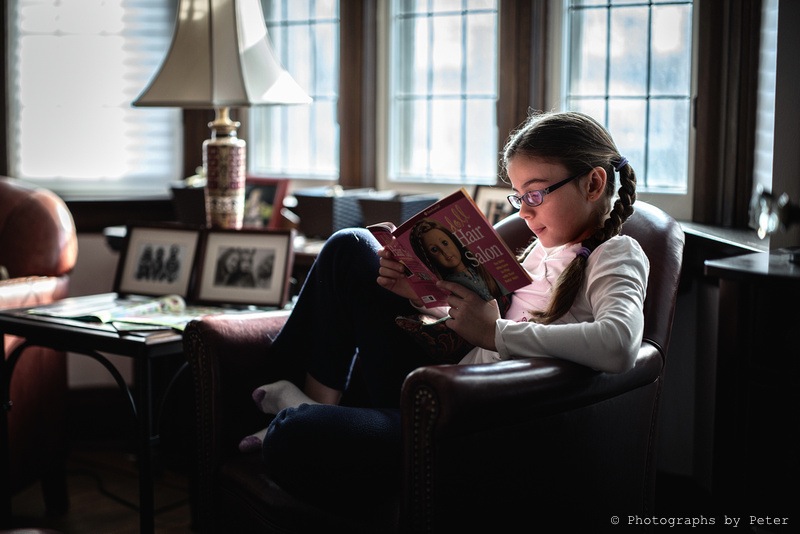
↑Nikon D800E and Zeiss Otus 55mm @ f/1.4.
The art and science of composition.
Or, synchronicity.
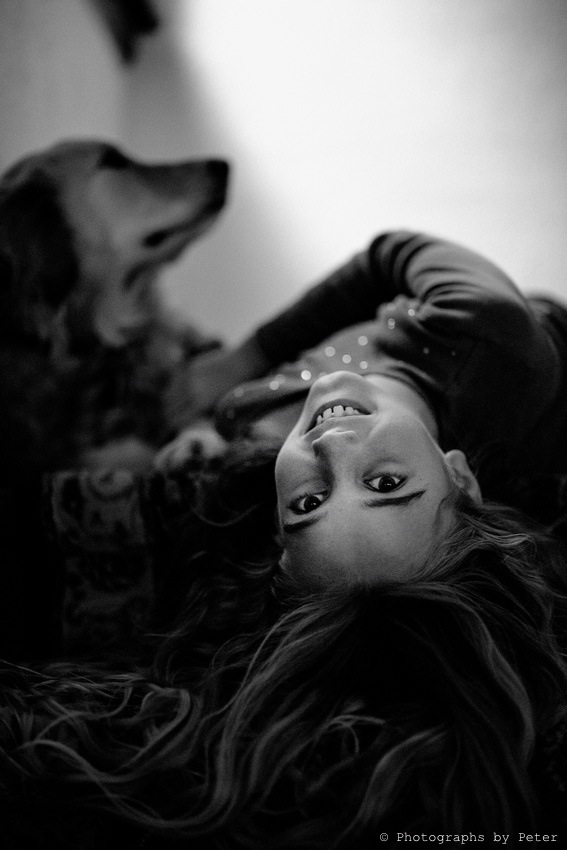
↑Nikon D800E and Zeiss Otus 55mm @ f/1.4.
 Prosophos