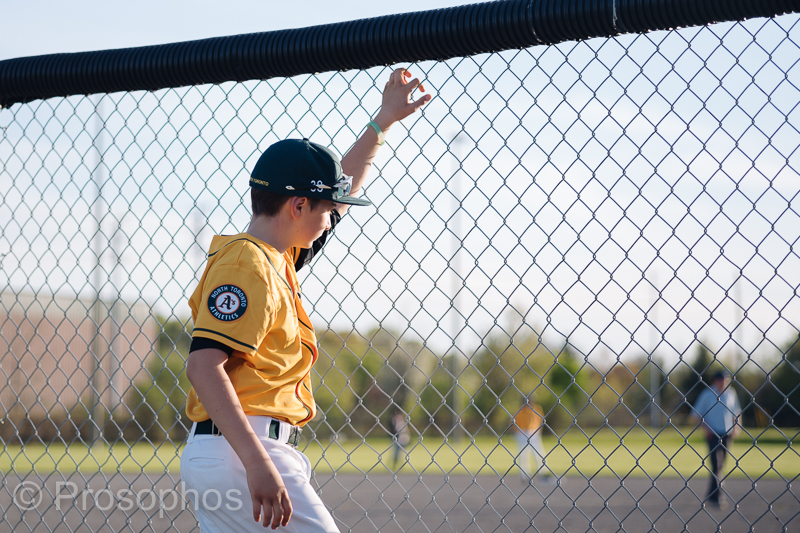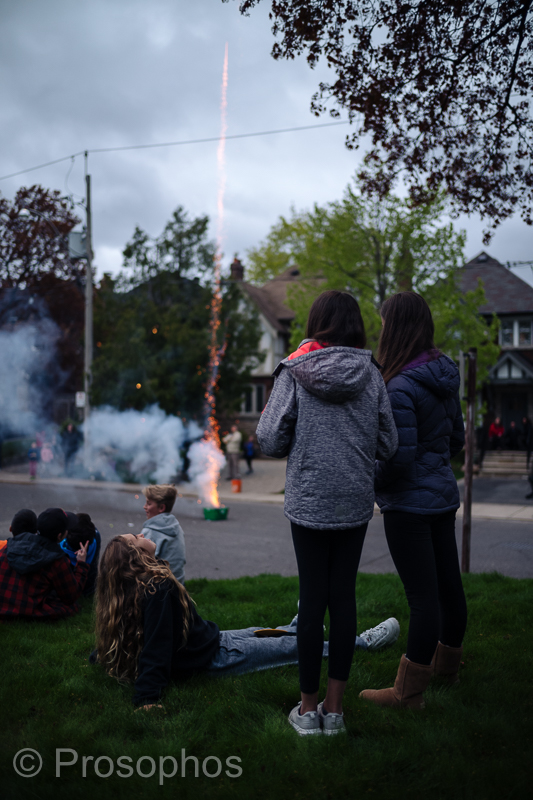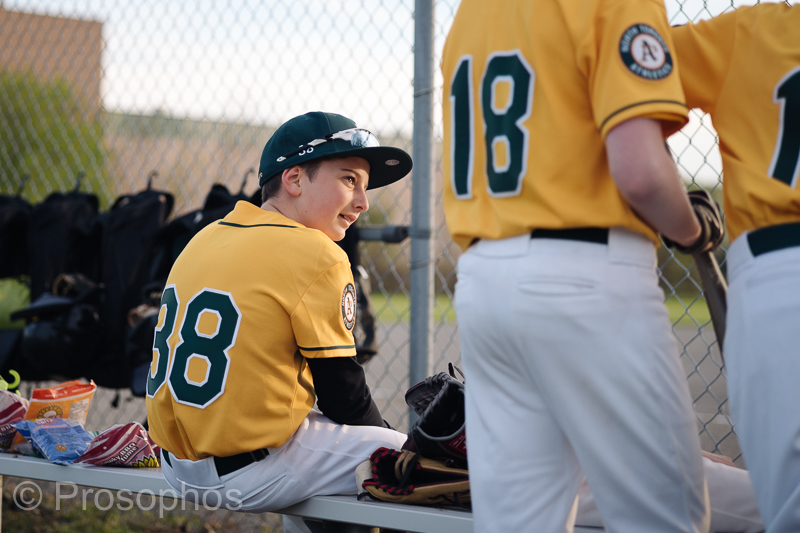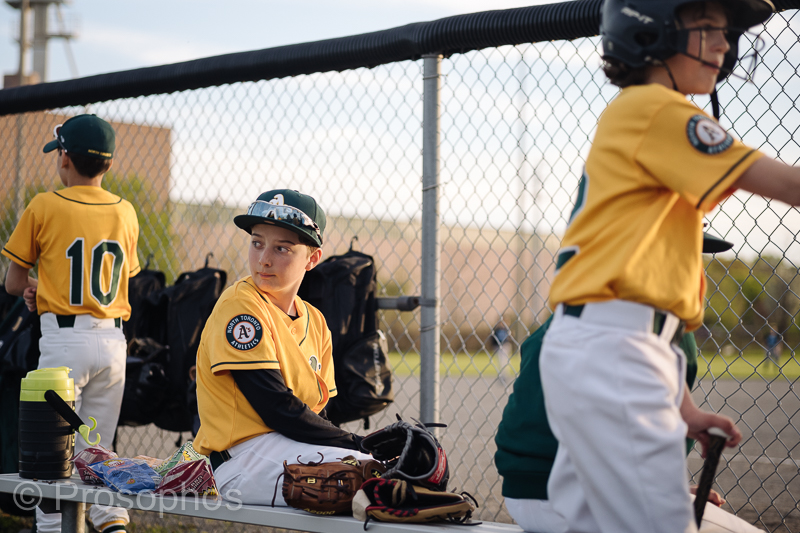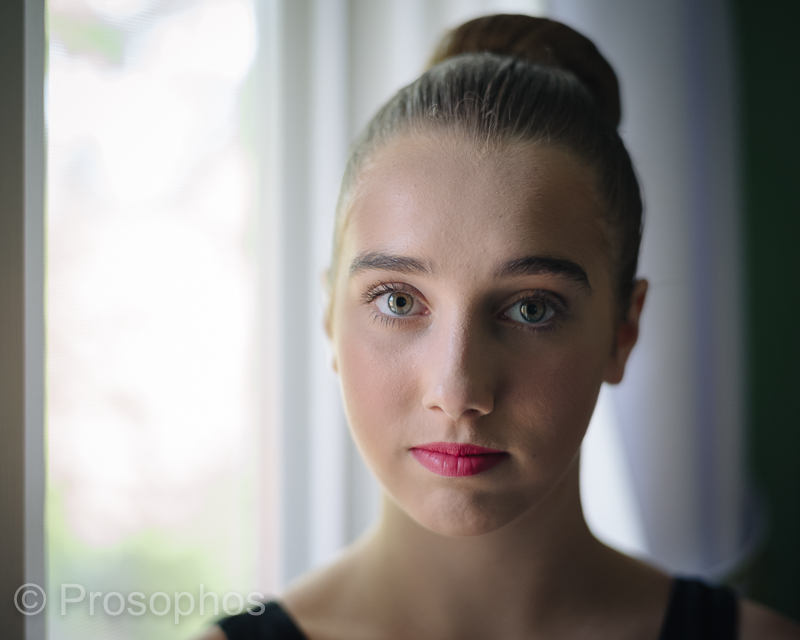
The Konica Hexanon 60mm 1.2.

Inspiration, Q&A, Teaching point

A couple of years ago, I updated my review of the Konica Hexanon 60mm 1.2 by deleting the entire discussion and replacing it with the statement:

“I no longer recommend this lens.”

Do you know why I did that?  Because:

“I no longer recommend this lens.”

Since then, I’ve had a handful of people (including one in the comments section of what remains of the “review”) write to ask me whether I did this to drop the price of the 60/1.2, so that I could buy it again.

Well… no.  That would be unethical.

Part of the reason for the downgrade was the price-to-performance ratio had become too great, and part of it had to do with a change in my preferences.  Simply put, I am no longer interested in lenses that impart too much of a specific “look” to a photograph.

So for those individuals who paid an insane amount of money to own one, I’m sorry that its price has dropped, though I really don’t think I had anything to do with it.

—Peter.

[Guest Post] Aaron C Greenman and the Mamiya 6.

Film, Guest Post, Inspiration, Mamiya 6, Q&A, Street, Teaching point

–

Aaron writes:

“Peter, as you know I have been a Leica M shooter for most of the past 15 years….. until the past three years, when I have been wrestling with the (as of now somewhat false) promise of portable mirrorless digital (the Hasselblad X1D). Back and forth, it has been a struggle to decide between the wonderful image quality and color fidelity of the Hasselblad with the obvious handling, fluidity and OVF advantages of the Leica. 
–
Anyway, I have neither now, as I await an X2D equivalent, and I’ve found and am using what I pray every night for exactly in digital – the Mamiya 6, along with its 75mm and 50mm lenses (approx. 50mm and 28mm equivalent).
–
For any Leica M enthusiast, the Mamiya 6 (or 7, if you want to shoot 6×7), is a wonderfully familiar experience: a big nice optical coupled rangefinder, compact design for its 6×6 image size, a collapsible lens mount, and quality, lightweight lenses with sharp and characterful rendering. I have also always wanted to shoot square natively, and it is a simple joy in a square, uncluttered viewfinder – never having to turn the camera takes one more variable out of the composition equation. 
–
The accompanying photo was taken with the 6, the 50mm and Ektar 100 on a recent trip in United Arab Emirates, and shows the Mamiya excels in the most key area – an instantaneous shutter that allows its owner to precisely capture the moment. 
–
All in all, it is an experience of pure photographic bliss…… just be mindful of the limits of 12 shots per roll! 😉”
–
–
–
Aaron, thank you for your thoughts, which I’m sure will be helpful to photographers out there contemplating getting the Mamiya 6.  As an aside, I never thought I’d see you shooting film, and it’s nice to see you indulge in some colour photography!  Keep up the great work.
–
For my part, I have really wanted to get back to film (and almost did so recently) but the constant announcements of film stock discontinuations and ever-tightening shipping restrictions on chemicals for developing have made me hesitate to (re-)commit.  It’s images like this, however, and what I see over at Mark’s site that keep the idea of film photography alive for me.
–
Lastly, regarding your comment…
–
“…it has been a struggle to decide between the wonderful image quality and color fidelity of the Hasselblad with the obvious handling, fluidity and OVF advantages of the Leica.”
–
…much like you, my ideal camera would be designed like a Leica M with a proper (OVF) rangefinder, but would contain a medium format sensor, in a body no larger than a Mamiya 6 (or Hasselblad X1D).
–
Leica, if you’re interested, we can help you do it!
(one can hope…)
–
—Peter.